For most Alberta borrowers, the best k5mortgage.com alternative is a licensed local mortgage broker like DreamHouse Mortgage, led by Broker of Record Guriqbal Chahal. A broker like this gives you access to banks, credit unions, monoline lenders, and private lenders in one application, rather than the single-source offer an online lender provides, and you deal with someone licensed and accountable under provincial rules.
That matters most if your file is not a simple, salaried, high-credit case. Brokers shop your application across multiple lender types at once, which puts real competitive pressure on rate and terms instead of leaving you to accept whatever one platform quotes.
- Broader lender access than any single online platform, including banks, credit unions, monoline lenders, and private options
- Underwriting tailored to self-employed income, newcomer credit files, and investment property financing
- Local Calgary and Alberta service, with knowledge of regional programs and lender appetite
Key Takeaways
A licensed local mortgage broker beats a single online lender for most Alberta borrowers because it multiplies lender access, sharpens the rate comparison, and adapts to nonstandard income files.
| Point | Details |
|---|---|
| Broker access advantage | Brokers compare banks, credit unions, monoline, and private lenders in one application. |
| Verify licensing first | Check status through provincial registries like RECA, FSRA, or BCFSA before signing anything. |
| Match channel to file | Use the decision checklist to pair your borrower profile with the right lender type and timeline. |
| Document income proactively | Self-employed and newcomer borrowers improve approval odds with add-back income and alternate credit history. |
| Call DreamHouse Mortgage | Contact Guriqbal Chahal, MBA, PMP at 403-966-6072 for a lender comparison across Calgary and Alberta. |
Table of Contents
- What Counts as a K5Mortgage Alternative?
- Why a Local Licensed Broker Often Wins
- How Do I Choose Between a Broker, Bank, or Private Lender?
- Eligibility for Seniors, Self-Employed, and Newcomer Buyers
- What Not to Tell a Mortgage Lender
- How DreamHouse Mortgage Works as Your Alternative
- A Note From the Broker of Record
- Get Mortgage Help in Calgary and Across Alberta
- Sources
- FAQ
What Counts as a K5Mortgage Alternative?
An alternative to an online lender like k5mortgage.com is any channel that can fund your mortgage while giving you a comparable or better mix of rate, approval odds, and service. In Canada, that shortlist is short and each option behaves differently.
- Licensed mortgage brokers shop dozens of lenders on your behalf. Best for complex files, rate shopping, or anyone who wants options presented side by side.
- Big banks offer their own in-house products only. Best for straightforward, high-credit, salaried applicants who want a long-standing institutional relationship.
- Credit unions and caisses populaires often have more local flexibility on underwriting. Best for community-based borrowers and those with strong local ties.
- Non-bank monoline lenders specialize only in mortgages and frequently price aggressively. Best for well-qualified borrowers chasing the lowest posted rate.
- Private lenders fund based on equity and exit strategy rather than strict income ratios. Best for short-term bridge financing or borrowers with damaged credit.
Banks tend to hold the edge on brand recognition but limit you to their own product shelf, while brokers can compare that same bank against a dozen competitors in a single pass. Credit unions and trust companies round out the field, and comparison sites can surface offers worth checking, though you still need to verify rates, terms, and fees yourself before signing anything.
Before you commit to any channel, confirm the individual or institution is properly licensed. Provincial regulators track complaints and licensing status, and the Mortgage Broker Regulators’ Council of Canada coordinates that oversight across provinces.
A private or B-lender solution makes sense when time is short, credit has taken a hit, or your income documentation does not fit a standard template. It is not usually the first stop, but it can be the right one.
Pro Tip: If a lender or platform can’t clearly explain who actually funds your mortgage, that’s a signal to ask more questions before applying.
Why a Local Licensed Broker Often Wins
For anyone with a nonstandard file, a licensed broker commonly delivers the best combination of rate, fit, and speed that a single online lender can’t match. The reason is structural: a broker isn’t selling one product, so their incentive lines up with finding the lender most likely to say yes at the best price.
Brokers bring negotiating experience built from placing files with dozens of lenders, including options built for self-employed applicants, newcomers to Canada, and investors financing rental properties. When your income is documented differently than a T4 employee’s, that lender-matching skill is worth more than a slightly lower advertised rate you may not actually qualify for.
Always verify a broker’s license before signing anything. Provincial registries like FSRA in Ontario, RECA in Alberta, and BCFSA in British Columbia publish current licensing status, and the MBRCC explains how to report suspected fraud or misconduct if something feels off.
For Alberta buyers specifically, a local broker adds:
- Familiarity with first-time buyer programs and Alberta-specific closing costs
- Established relationships with lenders active in Calgary, Airdrie, and Cochrane markets
- Renewal negotiation leverage, since your broker already knows your file history
How Do I Choose Between a Broker, Bank, or Private Lender?
Match your file to the channel that fits your timeline and complexity, not the channel with the flashiest ad. Work through this checklist before you apply anywhere:
- Define your borrower profile: employee, self-employed, newcomer, or investor.
- Set your timeline: are you closing in three weeks or three months?
- Confirm loan purpose: purchase, refinance, renewal, or investment property.
- Gather what documentation you can realistically provide right now.
- Know your credit score range and any recent equity changes.
- Decide on your target amortization and how it affects monthly payment.
Once you know your profile, ask every prospective broker or lender the same questions:
- What lender types do you have access to, and how many?
- What are the total fees, including any broker compensation, and can you disclose that in writing?
- What is the realistic timeline from application to funding?
- What penalties apply if I break or refinance early?
Watch for red flags during this process: vague answers about how the broker gets paid, no visible provincial license number, pressure to skip documentation, or unusually high upfront fees before any commitment is made.
Pro Tip: Get a quote from your own bank first, then hand that number to a broker and ask them to beat it across their full lender panel. This comparison step alone often saves thousands over the mortgage term.
Eligibility for Seniors, Self-Employed, and Newcomer Buyers
Self-employed borrowers, newcomers to Canada, and seniors seeking long amortizations are the three groups most likely to need something other than a standard bank application. Each has a realistic path forward, but the paperwork looks different in every case.
- Self-employed borrowers usually do best with a broker who can present add-back income and multi-year Notice of Assessment history to lenders comfortable with variable earnings, or a B-lender when a bank declines the file. Read more in our guide to self-employed mortgage lender types.
- Newcomers to Canada often qualify through programs that accept alternate credit history, such as international credit reports or rental payment records, rather than a Canadian credit score built over years. Our newcomer mortgage guide walks through what documentation to prepare.
- Seniors seeking longer terms should expect a direct conversation about amortization limits and income sustainability, since lender policy on this varies more than most buyers expect.
Each of these paths trades some rate advantage for approval flexibility, and that trade-off is usually worth it when the alternative is an outright decline.
Pro Tip: Self-employed applicants improve their odds fastest by organizing two years of Notice of Assessment, business financial statements, and a clear add-back explanation before applying, not after a lender asks for it.

What Not to Tell a Mortgage Lender
Avoid saying anything that signals unstable income, undisclosed debt, or a plan that changes your risk profile mid-process. Lenders reassess constantly between pre-approval and funding, so casual comments can trigger a second look you don’t want.
- Mentioning plans to quit your job or switch to contract work soon
- Describing cash gifts or down payment sources that aren’t documented
- Giving inconsistent details about income across conversations or forms
- Saying you plan to use credit cards heavily right before closing
- Offering vague, undocumented estimates of contractor or freelance income
Pro Tip: Present income with paper, not conversation. Contracts, CRA Notices of Assessment, and documented add-backs speak louder than a verbal explanation, and a broker can tell you exactly what a specific lender wants to see.
How DreamHouse Mortgage Works as Your Alternative
DreamHouse Mortgage is a licensed Alberta brokerage that works across banks, credit unions, monoline lenders, and private lenders to match Alberta borrowers with the right fit, not just the first offer. That range is the practical difference between a brokerage and a single online lender: one application, multiple lender conversations happening in parallel.
Services include:
- Mortgage pre-approval for Calgary-area buyers
- First-time home buyer program guidance
- Self-employed mortgage solutions using add-back income
- Investment property and rental financing across Alberta
- Mortgage refinancing and renewal negotiation
- Private lending placement for time-sensitive or nonstandard files
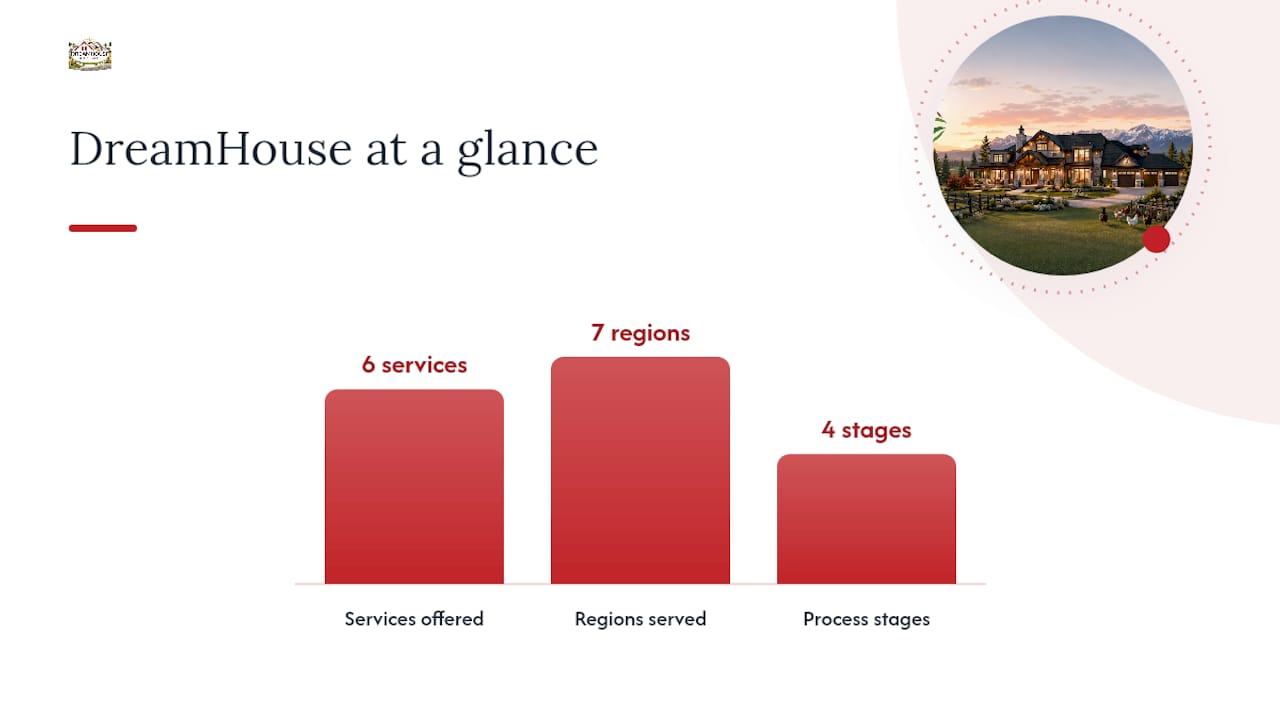
Guriqbal Chahal, MBA, PMP, serves as Broker of Record, working with clients across Calgary, Airdrie, Cochrane, Chestermere, Okotoks, Red Deer, and Edmonton since the brokerage’s founding in 2013.
The process typically runs through four stages: an initial consult to understand your file, a lender comparison across the appropriate channels, conditional approval once a lender commits, and funding coordination through closing.
A Note From the Broker of Record
Every Alberta borrower deserves options, not a single quote from a single source. I’ve built DreamHouse Mortgage around comparing lenders honestly, whether that means a big bank, a credit union, or a private solution. If you’re weighing alternatives to an online lender, call for a quick consult and rate check before you decide anything.
Get Mortgage Help in Calgary and Across Alberta
If you want help now, call DreamHouse Mortgage for a rate check and lender comparison before you commit to any single option. DreamHouse Mortgage serves Calgary, Airdrie, Cochrane, Chestermere, Red Deer, and Edmonton, with particular depth in first-time home buyer mortgages, investment property financing, and mortgage refinancing across the region.
Unlike a single-lender online platform, DreamHouse Mortgage runs your file across multiple lender types at once, which means you see real competing offers instead of one take-it-or-leave-it quote. That’s especially valuable if you’re self-employed, new to Canada, or financing a rental property where standard bank criteria often fall short.
Call Guriqbal Chahal, MBA, PMP, Mortgage Broker at 403-966-6072, or find DreamHouse Mortgage on its Google Business Profile to check reviews and confirm details before your first call.
Sources
Confirm licensing and compare channels using these Canadian resources before choosing an alternative to k5mortgage.com:
- Mortgage Broker Regulators’ Council of Canada – Guiding principles
- Mortgage broker vs. bank — which will save you more money? – MoneySense
- Mortgage broker vs bank: what’s the difference? – NerdWallet Canada
This article is general information, not a substitute for advice from a qualified financial advisor. Consult a qualified financial professional about your own circumstances before acting on anything here.
FAQ
Which alternative lenders are the best in Canada?
The strongest alternatives depend on your file: banks and monoline lenders suit strong, simple applications, while licensed brokers tend to serve complex files like self-employed income or newcomer credit histories better because they compare multiple lender types at once.
Can a 70 year old woman get a 30 year mortgage?
Amortization length for older borrowers depends on lender policy and income sustainability rather than a fixed age rule, so it’s worth discussing your specific situation directly with a broker or lender rather than assuming a standard term applies.
What not to tell a lender?
Avoid statements suggesting unstable income, undisclosed debts, or upcoming changes like quitting a job or taking on new credit, since these can change how a lender assesses risk between pre-approval and funding.
Who is the easiest mortgage lender to get approved for?
There’s no universal easiest lender. Approval ease depends on how well your income, credit, and documentation match a specific lender’s criteria, which is exactly why brokers who can shop multiple lenders at once tend to produce better results for nonstandard files.
Is DreamHouse Mortgage a good alternative to an online lender?
DreamHouse Mortgage is a licensed Alberta brokerage offering access to banks, credit unions, monoline, and private lenders, making it a practical alternative for buyers who want more than one lender’s opinion on their file.