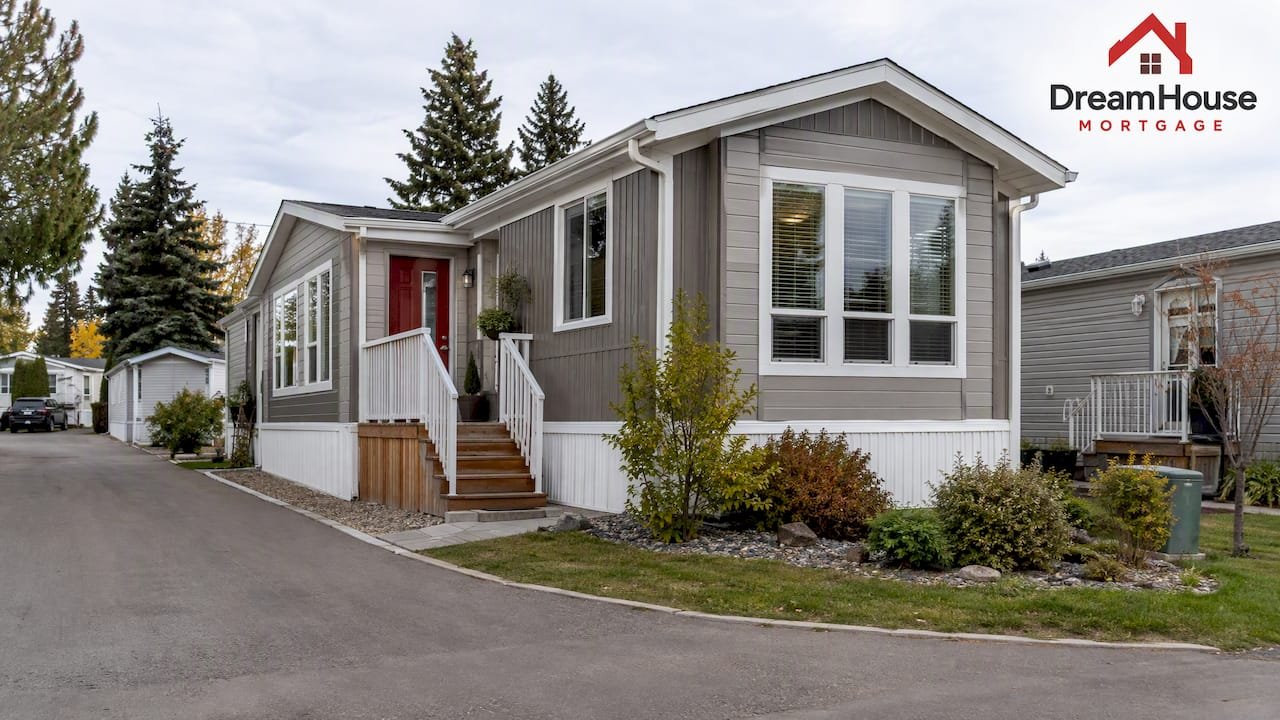
Buying your first home in Calgary feels like a big leap. You need a loan that fits your budget, your timeline, and the local market. In this article we walk through the top mortgage options you can use right now. You’ll learn how each choice works, who it helps most, and what to ask before you sign.
1. DreamHouse Mortgage , Personalized Broker Service for Best First-Time Home Buyer Mortgage in Calgary
DreamHouse Mortgage is a Calgary‑based broker that tailors every step for new buyers. We start with a quick pre‑approval that lets you shop with confidence. The team pulls rates from dozens of lenders, then narrows them down to the best fit for your credit, down‑payment size, and future plans.
Because the brokers are paid by the lenders, you pay nothing out of pocket. That means you get expert guidance without extra fees. The specialists also know the local market , they can tell you which neighbourhoods have the most growth, and which lenders are offering special programs for newcomers.
Imagine you’ve found a condo in Beltline. With DreamHouse you’ll get a clear breakdown of monthly payments, including property taxes and insurance, before you make an offer. The team will also walk you through any government incentives you qualify for, such as the Home Buyers‘ Plan.
Our rate‑comparison tool shows side‑by‑side numbers so you can see the impact of a 0.25% rate difference over 25 years. That transparency is rare in a market where many brokers hide the details.
We also help self‑employed buyers. By looking at cash flow instead of just a salary slip, DreamHouse can often secure a better LTV (loan‑to‑value) ratio.
Ready to get a fast pre‑approval? Mortgage Pre Approval Calgary explains how quickly we can lock in a rate for you and get Best First-Time Home Buyer Mortgage in Calgary.
After the video, you’ll see how the process feels from start to finish. It’s simple, it’s fast, and it’s built for first‑time buyers who don’t have time to chase multiple lenders.
2. Government‑Insured Mortgage, Low Down Payment Option
A government‑backed mortgage insurance program lets you buy with as little as 5% down. That can be a game‑changer if you’ve saved only a few thousand dollars.
This insurance works by covering the lender’s risk when the down payment is below 20%. You pay a premium that can be added to the loan balance, so you don’t need extra cash at closing. The premium rates depend on the loan‑to‑value ratio and range from 0.6% to 4.5% of the mortgage amount.
Eligibility is straightforward: you must be a Canadian citizen, permanent resident, or authorized worker, and the home must be your primary residence. The loan can be for up to four units, which opens up options for small rental properties.
Here’s a quick example. A $500,000 house with a 5% down payment needs a $25,000 cash outlay. Without this insurance you’d need $100,000 (20%). The insurance premium might add $4,500 to your mortgage, but you still save $71,000 upfront.
Because the premium is tax‑deductible for many borrowers, the overall cost can be lower than you think. The key is to run the numbers with a trusted broker.
For a deeper look at the insurance rules, see the official CMHC guide. It explains the premium schedule, the GDS/TDS ratio limits, and the eco‑product rebate that can cut premiums for energy‑efficient homes.
3. First Home Savings Account (FHSA) Strategy , Tax‑Free Down Payment Savings
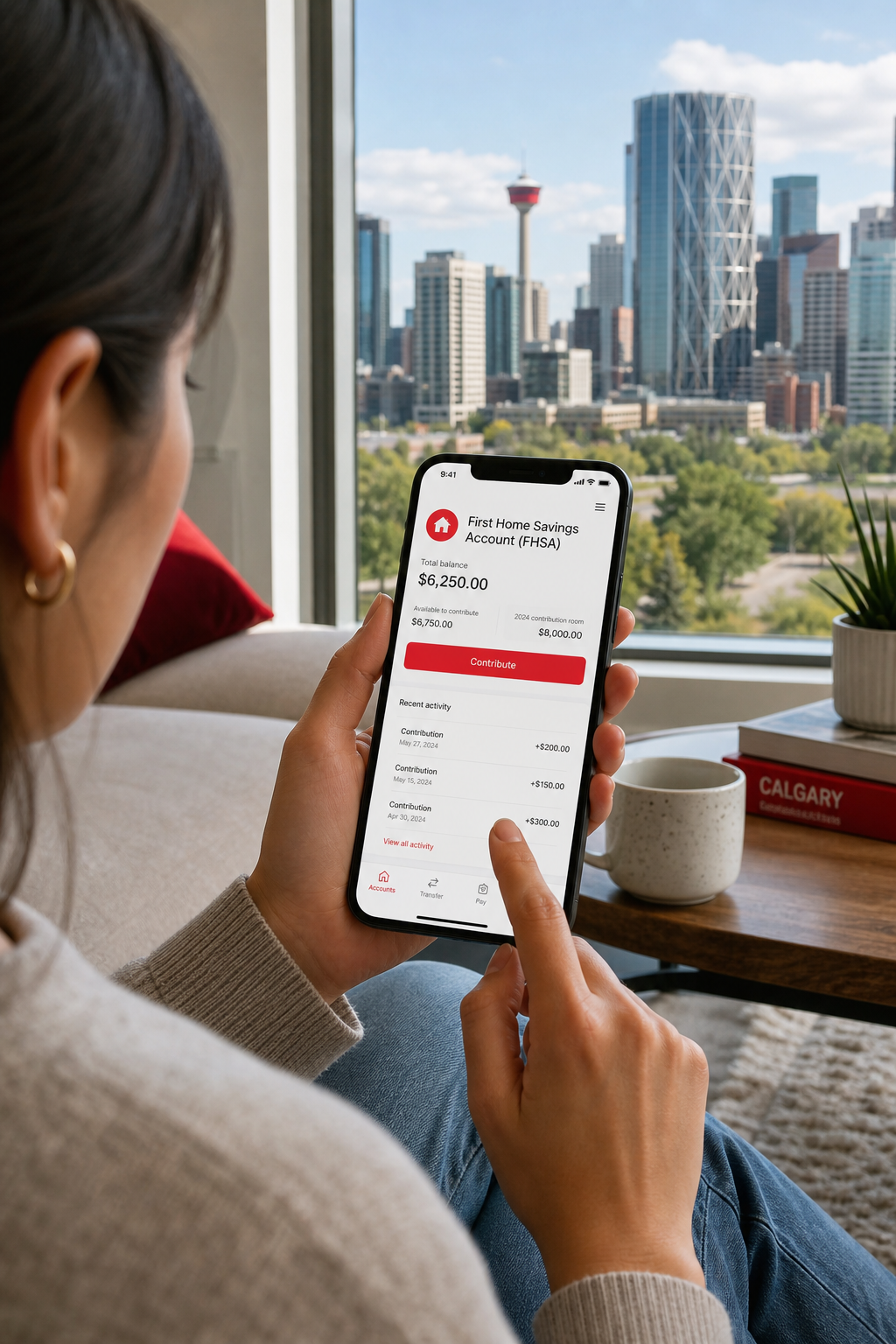
The FHSA is a new registered plan that blends the benefits of an RRSP and a TFSA. You can put in up to $8,000 each year, with a lifetime limit of $40,000. Contributions are tax‑deductible, and withdrawals for a first home are tax‑free.
Think of it as a secret piggy bank. Every dollar you contribute reduces your taxable income now, and when you pull the money out to buy a house you pay no tax. That double benefit can shave thousands off your effective cost.
If you also use the Home Buyers’ Plan (HBP), you can combine the two accounts. The HBP lets you pull $60,000 from your RRSP tax‑free, and the FHSA can add another $40,000. Together you could have $100,000 ready for a down payment without touching your regular savings.
One tip: make sure you max out the annual $8,000 contribution each year. Unused room carries forward, so if you miss a year you can catch up later.
The plan is flexible. If you decide not to buy a house, you can transfer the balance to an RRSP or a TFSA without penalty.
Read the official definition on Wikipedia for the full rules, including transfer limits and spousal options.
4. Home Buyers’ Plan (HBP) , RRSP Withdrawal for Down Payment
The HBP lets you pull up to $60,000 from your RRSP without paying tax at the time of withdrawal. You must repay the amount over 15 years, starting the second year after you take the money.
To qualify, you must be a first‑time buyer (or buying for a disabled relative), have a written purchase agreement, and intend to live in the home as your principal residence within a year.
The withdrawal is interest‑free, but you lose the investment growth you would have earned on that money. That’s why it’s best to pull only what you need for the down payment.
Repayments are tracked on your CRA notice of assessment. If you miss a payment, the missed amount is added to your taxable income for that year.
The plan works well with the FHSA. You could withdraw $60,000 from your RRSP, then add $20,000 from an FHSA, giving you $80,000 for a down payment.
The official CRA page outlines the eligibility rules and the repayment schedule: Canada Revenue Agency.
Pro tip: ask your broker to run a cash‑flow scenario that shows how the HBP withdrawal will affect your borrowing power. That helps you avoid over‑using.
5. Fixed‑Rate Mortgage , Stability for First‑Time Buyers
A fixed‑rate mortgage locks in the same interest rate for the entire term, usually 3, 5, or 10 years. Your monthly payment stays the same, which makes budgeting easier.
In Calgary, fixed rates are popular because the market can swing with the Bank of Canada’s policy changes. If you lock in a low rate now, you protect yourself from future hikes.
When you have a small down payment, a fixed‑rate loan paired with CMHC insurance can keep your payment predictable. The trade‑off is that you may pay a slightly higher rate than a variable loan, but the certainty often outweighs the risk.
To compare rates, look at the major banks and credit unions. Many major lenders, for example, list their current 5‑year fixed rates on their public pages. The rates are updated weekly and reflect the prime rate plus a spread.
Ask your broker to run a “what‑if” analysis: compare a 5‑year fixed at 5.2% with a variable at prime + 0.5%. The analysis will show you the breakeven point if rates rise.
One thing to watch: pre‑payment penalties. Some lenders charge a fee if you pay down the mortgage early. Choose a lender that offers a reasonable penalty or a flexible pre‑payment option.
How to Choose the Right First-Time Home Buyer Mortgage in Calgary
Picking the right loan means matching your financial picture with the product features. Below is a decision table that lets you compare the five options we covered.
First, check how much you can afford to put down. If you have less than 10%, a government-insured route is often the easiest path. If you can save a bit more, a fixed‑rate mortgage gives you peace of mind.
Second, think about tax‑advantaged accounts. The FHSA and HBP can together provide up to $100,000 for a down payment without increasing your debt.
Third, consider your timeline. If you plan to stay in the home for five years or more, locking in a fixed rate protects you from rate spikes. If you expect to move sooner, a variable rate may save a few hundred dollars per month.
Finally, talk to a local broker. First Time Home Buyer Alberta guide explains how a broker can pull together all these pieces into one mortgage package that fits your goals.
Frequently Asked Questions (FAQs)
What is the minimum down payment for a first‑time buyer in Calgary?
The minimum is 5% of the purchase price if you use a government‑insured mortgage. For conventional loans you need at least 10% if the price is over $500,000, and 20% for any amount above $1 million. Your exact amount may vary based on the lender’s policies and the program you qualify for.
Can I use both the FHSA and the Home Buyers’ Plan together?
Yes. The FHSA allows up to $40,000 total, while the HBP lets you withdraw $60,000 from your RRSP. Together they can provide up to $100,000 for a down payment, as long as you meet the eligibility rules for each program.
How does mortgage default insurance affect my monthly payment?
The insurance premium is added to your mortgage balance, so you pay interest on it as well. However, because you can start with only 5% down, the overall cash outlay at closing is much lower, which can free up money for other costs.
Do I have to repay the FHSA withdrawals?
No. FHSA withdrawals for a qualifying home are tax‑free and do not need to be repaid. The only condition is that the home must be your principal residence within a year of purchase.
What are the risks of a variable‑rate mortgage for a first‑timer?
If the central bank raises its policy rate, your mortgage interest will rise too. That can increase your payment each month. It’s best to choose a variable loan only if you have a solid emergency fund and expect rates to stay stable.
How long does pre‑approval take with DreamHouse Mortgage?
DreamHouse usually provides a pre‑approval within one business day for qualified applicants. The fast turnaround helps you make a strong offer in a competitive Calgary market.
Is mortgage default insurance mandatory?
It’s required only if your down payment is under 20%. The insurance protects the lender and lets you borrow more, but you pay a premium that can be added to your loan balance.
Can I refinance my mortgage later?
Yes. After you build equity, you can refinance to a lower rate or to pull out cash for renovations. A broker can help you compare options and avoid penalties.
Contact Guriqbal Chahal, MBA, PMP
Mortgage Broker | DreamHouse Mortgage
📞 403-966-6072
Conclusion
First‑time buyers in Calgary have several solid paths to homeownership. DreamHouse Mortgage offers a personalized broker experience that pulls together the best rates, fast pre‑approval, and specialist programs for newcomers. CMHC insurance opens the door with a 5% down payment, while the FHSA and HBP give you tax‑advantaged savings tools. A fixed‑rate mortgage adds payment stability for those who value predictability.
Take the next step today. Talk to a local expert, run the numbers, and lock in a plan that matches your budget and timeline.Start your free pre‑approval with DreamHouse Mortgage nowand move closer to the keys to your new Calgary home.
Contact Guriqbal Chahal, MBA, PMP
Mortgage Broker | DreamHouse Mortgage
📞 403-966-6072
“A fixed‑rate mortgage gives first‑time buyers peace of mind in a volatile market,” says a senior mortgage analyst.