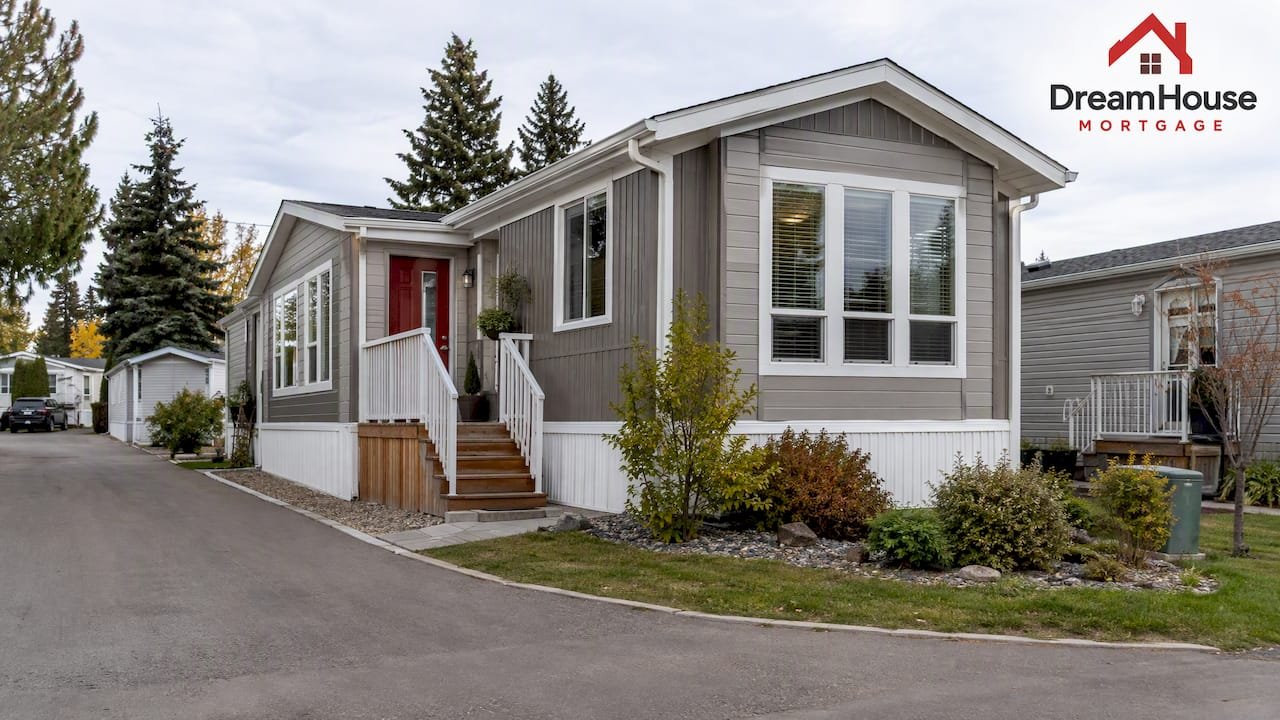
What are the most common first-time buyer mistakes in Alberta?
Buying your first home in Alberta is one of the largest financial decisions you will ever make. The most common first-time buyer mistakes in Alberta fall into a predictable pattern: skipping mortgage pre-approval, underestimating total costs, ignoring government programs, and rushing past inspections. Knowing these pitfalls before you start house hunting in Calgary, Edmonton, Airdrie, Cochrane, or Chestermere puts you in a far stronger position than most buyers.
Here are the top mistakes to avoid:
- Skipping mortgage pre-approval before searching for homes, leading to budget miscalculations
- Underestimating total purchase costs, including closing fees, legal costs, and title registration
- Ignoring the mortgage stress test, which requires qualifying at the higher of 5.25% or contract rate plus 2%
- Failing to compare mortgage rates across multiple lenders before committing
- Missing out on federal programs like the First Home Savings Account (FHSA) and the RRSP Home Buyers’ Plan (HBP)
- Skipping the home inspection, leaving buyers exposed to costly hidden defects
- Neglecting title searches and lien checks, which can create serious legal complications after closing
- Overlooking ongoing ownership costs such as utilities, maintenance, and property taxes
- Ignoring location-specific risks in Alberta, including floodplain designations and municipal zoning issues
- Failing to review the property disclosure statement, which sellers in Alberta are required to provide
Each of these errors is avoidable with the right preparation. The sections below break down why each one matters and exactly what to do instead.
1. Why accurate budgeting matters for Alberta first-time buyers
Accurate budgeting is the foundation of a successful home purchase. Many first-time buyers in Calgary, Red Deer, and Okotoks focus entirely on the purchase price and down payment, then get blindsided by the full cost of ownership once they move in.
Closing costs and ongoing home expenses typically add 1.5%–4% of the purchase price annually. On a $500,000 home, that is $7,500–$20,000 per year in costs beyond your mortgage payment. Utilities, property taxes, routine maintenance, and insurance all add up faster than most first-time buyers expect.
Common expenses Alberta buyers overlook:
- Property taxes, which vary by municipality and are not included in most mortgage estimates
- Home heating costs, which are significant in Alberta’s climate and can represent roughly 1% of home value annually
- Condo fees, if purchasing in a strata or condominium development in Calgary or Edmonton
- Title insurance and title registration fees, which Alberta buyers pay in place of a traditional land transfer tax
- Legal and notary fees for closing the transaction
- Home and property insurance, required by all lenders before funding
Inaccurate budgeting does more than create cash flow stress. It can affect your mortgage eligibility. Lenders calculate your Gross Debt Service (GDS) and Total Debt Service (TDS) ratios using your full housing costs, not just your mortgage payment. If your real monthly costs push those ratios too high, your approval may be reduced or declined. Getting a clear picture of mortgage affordability factors before you start shopping prevents that outcome.
Pro Tip: Build a monthly ownership budget that includes mortgage, taxes, utilities, insurance, and a maintenance reserve before you make any offer. Compare that total against your take-home pay, not your gross income.
2. Mortgage pre-approval and rate shopping in Alberta
Getting pre-approved before you start house hunting is one of the most practical steps a first-time buyer can take. Pre-approval tells you exactly how much a lender will advance, locks in a rate for a defined period, and signals to sellers that you are a serious buyer. Without it, you risk falling in love with a home you cannot finance.

Understanding the mortgage stress test
Every buyer applying through a federally regulated lender in Alberta must pass the mortgage stress test. The Office of the Superintendent of Financial Institutions (OSFI) sets the minimum qualifying rate (MQR) at the higher of 5.25% or your negotiated contract rate plus 2%. As of 2026, with the Bank of Canada policy rate at 2.25%, most buyers qualify at a rate meaningfully higher than their actual contract rate. That gap reduces the mortgage amount you qualify for compared to what your actual payment would suggest.
Key steps in the pre-approval and rate shopping process:
- Gather your documents early: T4 slips, Notices of Assessment, recent pay stubs, and bank statements are standard requirements
- Check your credit score before applying; a score below 680 may limit your lender options
- Apply with a mortgage broker who can submit your file to multiple lenders simultaneously without multiple hard credit pulls
- Compare the full cost of each offer, not just the rate; prepayment privileges, penalty structures, and portability all affect long-term value
- Lock in your pre-approval rate to protect against increases while you shop
Rate shopping across lenders in Alberta’s mortgage market can save thousands over the life of a loan. Many first-time buyers accept the first offer from their bank without realizing that monoline lenders, credit unions, and alternative lenders often offer more competitive terms. A qualified mortgage broker has access to all of these channels.
Pro Tip: A mortgage pre-approval is not a guarantee of final approval. Avoid making large purchases, changing jobs, or taking on new debt between pre-approval and closing. Any of these changes can affect your final qualification.
3. Leveraging Alberta and Canadian homebuyer programs and tax credits
Missing available government programs is one of the most costly first-time buyer mistakes in Alberta. Federal and provincial incentives can meaningfully reduce your upfront costs and increase your purchasing power, but only if you know they exist and apply on time.
Key programs available to Alberta first-time buyers:
- First Home Savings Account (FHSA): Contribute up to $40,000 lifetime, tax-free, with contributions deductible from your income. Withdrawals for a qualifying home purchase are also tax-free.
- RRSP Home Buyers’ Plan (HBP): Withdraw up to $60,000 per person from your RRSP tax-free for a first home purchase, with repayment spread over 15 years.
- First-Time Home Buyers’ GST/HST Rebate: The Canada Revenue Agency now accepts applications for this rebate, which provides eligible buyers a full or partial rebate of the GST on newly constructed or substantially renovated homes, up to $50,000.
- Home Buyers’ Amount: A non-refundable federal tax credit that reduces the income tax owed in the year of purchase.
- Alberta’s no land transfer tax advantage: Unlike Ontario or British Columbia, Alberta charges no traditional land transfer tax. Buyers pay only small title registration fees, which keeps closing costs lower than in most other provinces.
| Program | Limit / Benefit | Tax Treatment |
|---|---|---|
| First Home Savings Account (FHSA) | $40,000 lifetime contribution | Contributions deductible; withdrawals tax-free |
| RRSP Home Buyers’ Plan (HBP) | $60,000 per person | Withdrawal tax-free; repay over 15 years |
| First-Time Home Buyers’ GST/HST Rebate | Up to $50,000 rebate | Reduces GST paid on new home |
| Home Buyers’ Amount | Federal tax credit | Reduces federal income tax owed |
| Alberta title registration | Small fee only | No provincial land transfer tax |
Stacking the FHSA and HBP together is one of the most effective ways to build a larger down payment. A couple purchasing together could combine up to $200,000 in FHSA and HBP contribution room between them if both maximize the FHSA ($40,000 each) and the HBP ($60,000 each), but actual usable funds may be lower depending on individual balances. For a detailed comparison of these two programs, the FHSA vs Home Buyers’ Plan breakdown covers the key differences for Calgary and Edmonton buyers.
The GST/HST rebate has a time limit. Applications must generally be submitted within two years of taking ownership or completing construction. Missing that window means forfeiting the rebate entirely.
4. The importance of professional representation and home inspections
Buying a home without qualified professional support is a risk that rarely pays off. First-time buyers in Alberta who skip a real estate agent or a mortgage broker often miss critical details in contracts, disclosure statements, and financing terms that experienced professionals catch as a matter of routine.
Benefits of working with qualified professionals:
- A licensed realtor familiar with Calgary, Cochrane, or Chestermere markets can identify overpriced listings and negotiate effectively on your behalf
- A mortgage broker accesses multiple lenders and product types, including banks, credit unions, monoline lenders, and alternative lenders
- A real estate lawyer reviews the purchase contract, conducts the title search, and confirms there are no outstanding liens or encumbrances on the property
- A home inspector provides a written assessment of the property’s structural, mechanical, and safety condition before you commit
Skipping the home inspection is one of the most expensive shortcuts a buyer can take. In a competitive market, some buyers waive inspections to make their offer more attractive. That decision can expose you to repair costs that dwarf any perceived advantage in the offer. Structural issues, aging roofs, outdated electrical panels, and foundation problems are all common in Alberta’s older housing stock, particularly in established neighborhoods of Edmonton and Calgary.
Alberta sellers are required to provide a property disclosure statement. Read it carefully and ask your realtor to explain any items marked as unknown or disclosed. A disclosure statement does not replace an inspection; it supplements it.

Title searches are equally critical. Unpaid liens from contractors, outstanding property tax arrears, or registered encumbrances can transfer with the property if not caught before closing. Your real estate lawyer handles this search, but you need to budget for legal fees and allow adequate time in your closing timeline.
Pro Tip: Choose a home inspector who is a member of a recognized professional association and carries errors and omissions insurance. Ask for a sample report before booking so you know the level of detail you will receive.
5. Planning for the future: resale, market trends, and negotiation in Alberta
Buying a home is not just about where you want to live today. Resale value, neighborhood trajectory, and negotiation strategy all affect whether your purchase becomes a sound long-term investment or a financial burden.
Resale value considerations
Location factors that affect resale in Alberta communities:
- Proximity to schools, transit, and employment centers in Calgary, Edmonton, Airdrie, and Red Deer
- Flood zone designations, which affect insurability and future buyer demand in certain areas along Alberta river corridors
- Neighborhood development plans, including proposed commercial or industrial zoning changes
- Home features with broad appeal: functional layouts, adequate parking, and updated mechanical systems
A home that suits your needs today should also appeal to a range of future buyers. Unusual layouts, limited parking, or proximity to industrial areas can narrow your buyer pool when it is time to sell.
Alberta market trends in 2026
Alberta’s housing market has remained active, driven by interprovincial migration and relative affordability compared to British Columbia and Ontario. Buyers in communities like Cochrane, Okotoks, and Rocky View County have seen strong demand for single-family homes. Understanding current inventory levels and average days on market in your target area helps you calibrate your offer strategy.
Effective negotiation tactics for Alberta conditions:
- Request a home inspection condition in your offer, even in competitive markets; this protects you from undisclosed defects
- Include a financing condition tied to your pre-approval to avoid being locked into a purchase you cannot fund
- Review comparable sales in the neighborhood before setting your offer price; your realtor can pull recent sold data
- Consider the seller’s timeline: a flexible closing date can be as valuable as a higher price in some situations
- Avoid emotional overbidding; set a firm maximum before entering negotiations and hold to it
Regional tips for Alberta buyers:
- In Calgary’s inner-city neighborhoods, bidding wars are more common on well-priced detached homes; have your pre-approval ready to move quickly
- In Airdrie and Chestermere, new construction is active; understand builder contract terms and what is and is not included in the base price
- In Edmonton, older infill properties may carry deferred maintenance costs that affect your offer price calculation
6. Setting yourself up for home buying success in Alberta
Preparation before you start house hunting determines how smoothly the entire process goes. First-time buyers who do the groundwork early avoid the most common pitfalls and close with fewer surprises.
Practical steps to take before you start searching:
- Check and improve your credit score at least six months before applying; pay down revolving balances and avoid new credit applications
- Save beyond your down payment: budget for closing costs, legal fees, moving expenses, and a post-purchase emergency fund
- Understand Alberta’s down payment rules: the minimum is 5% for homes priced up to $500,000, 10% on the portion between $500,000 and $999,999, and 20% for homes at $1,000,000 or more
- Open an FHSA as early as possible to maximize contribution room before your purchase
- Get pre-approved, not just pre-qualified: pre-qualification is an estimate; pre-approval involves a full credit and income review
- Assemble your professional team early: realtor, mortgage broker, and real estate lawyer before you make an offer
- Understand the closing timeline: from accepted offer to closing in Alberta typically takes several weeks, and delays in document collection or financing can push that out further
- Review the property disclosure statement on every home you seriously consider
For newcomers to Canada, including landed immigrants and permanent residents, the Alberta first-time buyer mortgage guide covers additional qualification considerations, including how foreign income and non-traditional employment history are assessed by lenders. New immigrants in Calgary, Edmonton, and Airdrie have access to New to Canada mortgage programs that recognize their financial profile even without a long Canadian credit history.
Documentation diligence matters at every stage. Lenders in Alberta require consistent, complete paperwork. Missing a single document can delay your approval and, in a time-sensitive transaction, cost you the property. Keep digital copies of all financial records organized and accessible throughout the process.
Dreamhouse Mortgage helps Alberta first-time buyers avoid costly mistakes
Dreamhouse Mortgage is the local brokerage Alberta first-time buyers call when they want access to multiple lenders, clear mortgage advice, and a team that knows Calgary, Edmonton, Airdrie, Cochrane, Chestermere, Okotoks, and Red Deer from the ground up. The difference between working with a local broker and going directly to a single bank is access: Dreamhouse Mortgage works with banks, credit unions, monoline lenders, alternative lenders, and private lenders to find the right product for your situation.

Guriqbal Chahal, MBA, PMP, Mortgage Broker and Broker of Record at Dreamhouse Mortgage, guides first-time buyers through stress test qualification, program stacking with the FHSA and HBP, and mortgage rate negotiation across competing lenders. Whether you are purchasing your first home in Calgary’s northwest communities, a new build in Airdrie, or a townhouse in Chestermere, the team handles lender selection, document collection, rate comparison, and funding coordination from start to finish.
For first-time buyers who are newcomers to Canada, Dreamhouse Mortgage’s New to Canada mortgage programs address the specific qualification challenges that landed immigrants and permanent residents face, including limited Canadian credit history and non-traditional income documentation.
Contact Guriqbal Chahal directly at 403-966-6072 or visit the Dreamhouse Mortgage Google Business Profile to book a consultation. Expert mortgage advice, competitive rates, and pre-approval support are available for buyers across Alberta.
Key Takeaways
First-time buyers in Alberta who avoid the core mistakes around budgeting, pre-approval, inspections, and program use close with fewer surprises and stronger financial outcomes.
| Point | Details |
|---|---|
| Budget beyond the purchase price | Ongoing costs add 1.5%–4% of home value annually; include taxes, utilities, and maintenance. |
| Pass the stress test first | OSFI requires qualifying at 5.25% or contract rate plus 2%, whichever is higher. |
| Stack federal programs | FHSA ($40,000 limit) and HBP ($60,000 per person) can be combined to maximize your down payment. |
| Never skip the inspection | Home inspections and title searches protect against hidden defects and undisclosed liens in Alberta. |
| Dreamhouse Mortgage | Guriqbal Chahal and the Dreamhouse Mortgage team guide Alberta first-time buyers through pre-approval, program selection, and lender comparison at 403-966-6072. |
FAQ
What are the biggest first-time home buyer mistakes in Alberta?
The most common errors are skipping mortgage pre-approval, underestimating total ownership costs, ignoring the federal stress test, missing government programs like the FHSA and HBP, and waiving home inspections. Each of these mistakes can cost thousands of dollars or delay your purchase.
How much down payment do you need on a $250,000 home in Alberta?
The minimum down payment is 5% on homes up to $500,000, with higher rates applying above that threshold.
What disqualifies you as a first-time home buyer in Canada?
You are generally disqualified from first-time buyer programs if you or your spouse have owned and lived in a qualifying home in any of the previous four calendar years. Each program, including the FHSA and HBP, has its own specific eligibility rules, so confirm your status with a mortgage broker before applying.
What is the mortgage stress test and does it apply in Alberta?
The mortgage stress test applies to all buyers using federally regulated lenders in Alberta. It requires you to qualify at the higher of 5.25% or your negotiated rate plus 2%, regardless of your actual contract rate or down payment size.
Can newcomers to Canada buy a home in Alberta as a first-time buyer?
Yes. Landed immigrants and permanent residents are eligible for first-time buyer programs in Canada, including the FHSA and HBP, subject to standard residency and income requirements. Dreamhouse Mortgage offers New to Canada mortgage programs specifically designed for buyers in Calgary, Edmonton, Airdrie, and surrounding communities who have limited Canadian credit history.