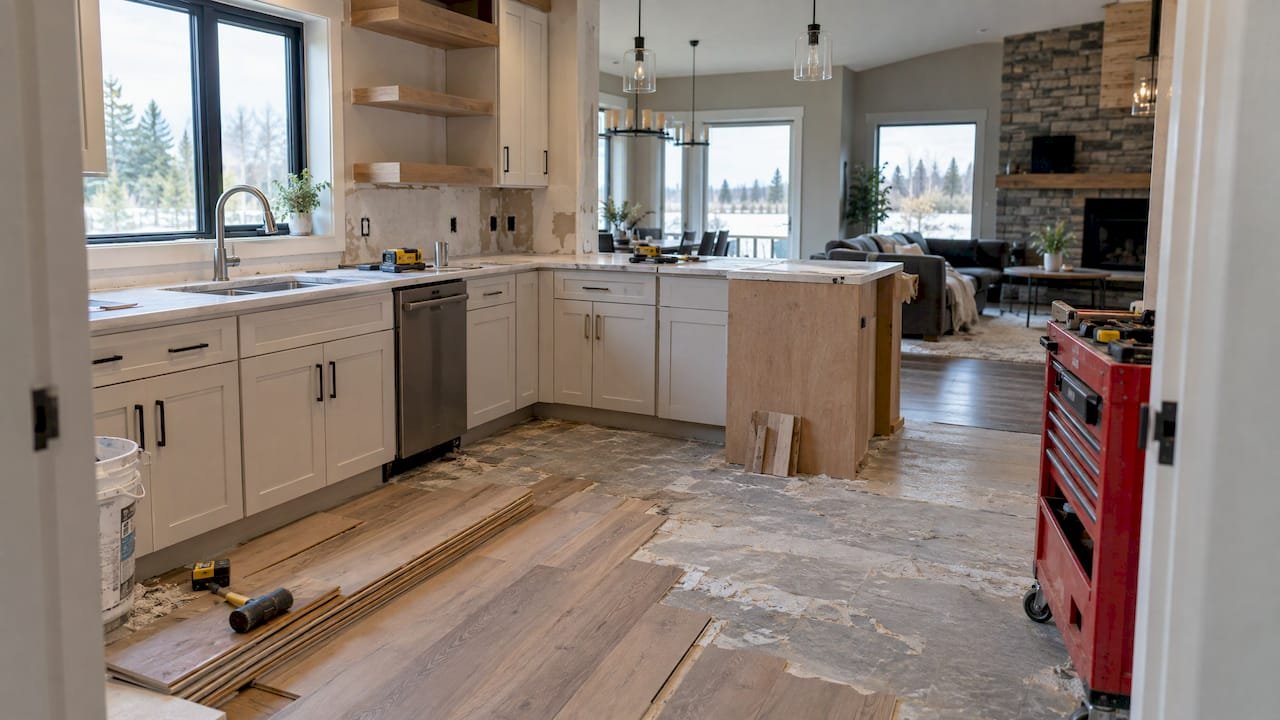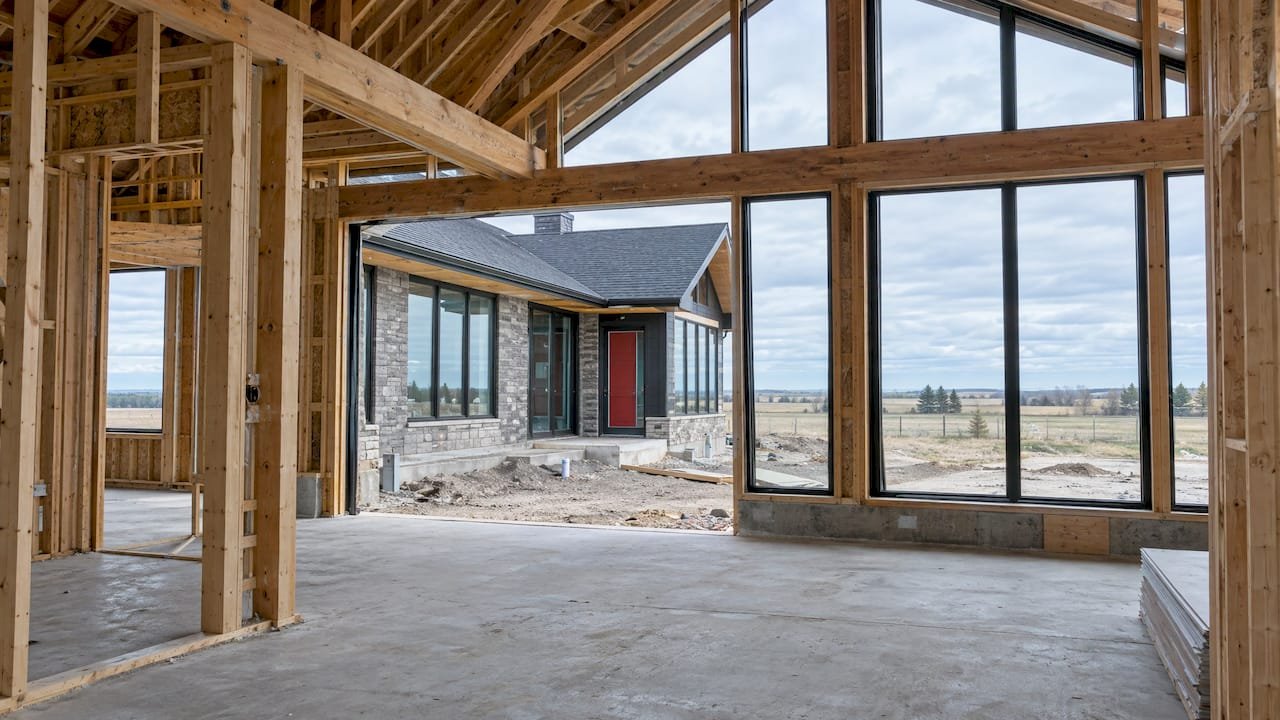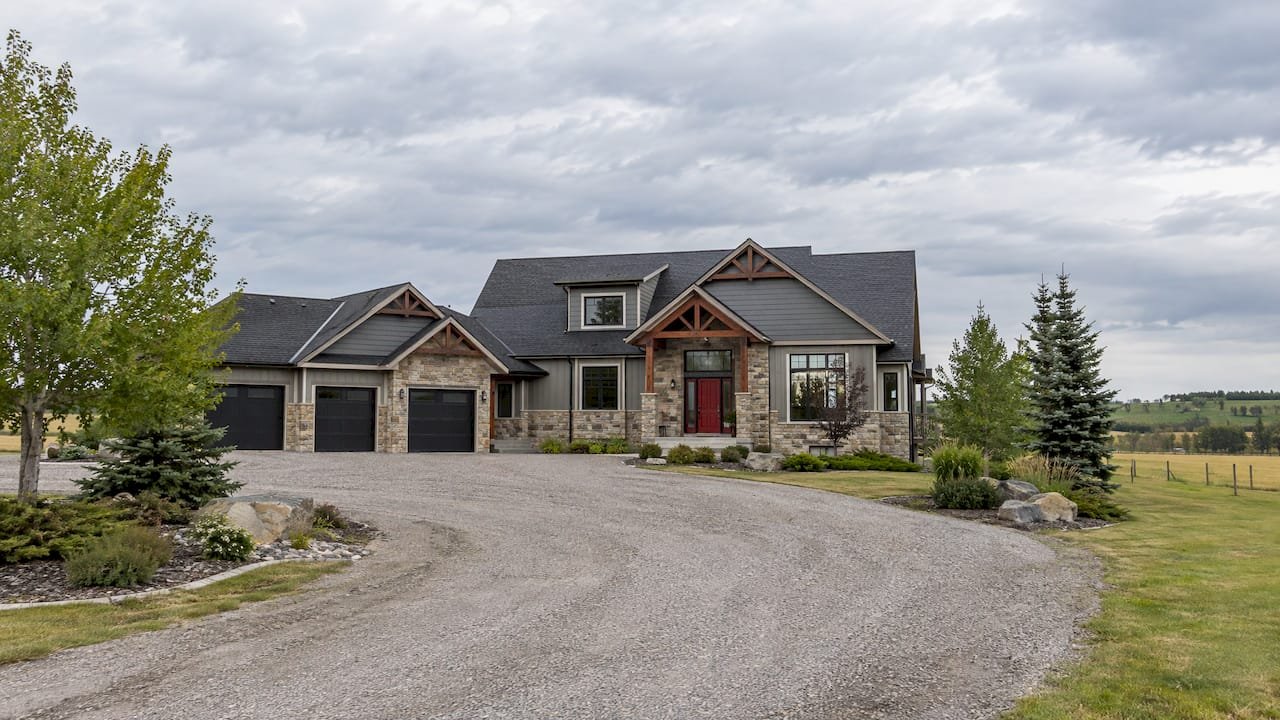
A purchase plus improvements mortgage lets you buy a home in Alberta and finance its renovations in the same mortgage, with as little as 5% down on the first $500,000 of the total. The renovation money is not paid to you on closing day. The lender holds it back and releases it when the work is done and verified. If you are a first-time buyer eyeing a dated home in Calgary, Airdrie, Cochrane or Chestermere, this is often the way to afford the house you want. It works best when it is set up correctly before you make an offer. Call Guriqbal Chahal, MBA, PMP, Mortgage Broker, at 403-966-6072 to plan the numbers first.
TL;DR
- A purchase plus improvements (PPI) mortgage combines the purchase price and the renovation budget into one mortgage, based on the lower of purchase price plus improvements or the home’s appraised value after the work.
- Insured PPI mortgages go up to 95% of the as-improved value on 1 to 2 unit owner-occupied homes. The minimum down payment is 5% of the first $500,000 plus 10% of the rest.
- Renovation funds are held back and released after completion. Single advances apply when the work is 10% or less of the as-improved value. Staged progress advances apply above that.
- Only permanent improvements qualify. Furniture and appliances do not. Overruns and permit costs are yours to cover.
- Quotes, timelines and appraisals have to line up before you remove conditions, so speak to a broker before you write an offer.
Table of Contents
- What a purchase plus improvements mortgage is
- Who this suits in Calgary and area
- Who qualifies: the insured-mortgage rules
- A worked example
- What you can and cannot finance
- How the renovation money reaches you
- Insurance premium and costs
- Step by step: buying with a PPI mortgage in Calgary
- Common mistakes to avoid
- Other options if the home needs more than renovation
- Our perspective
- Plan your purchase and renovation with DreamHouse Mortgage
- FAQ
- Sources
What a purchase plus improvements mortgage is
In most of Canada you can finance a home purchase or a renovation, but not both in one step without a plan. A PPI mortgage joins them. You choose a home that needs work, get contractor quotes, and the lender approves a mortgage covering the price and the planned upgrades together.
CMHC, the federal housing agency that insures mortgages, offers this as its Improvement product: insured financing of up to 95% of the as-improved value for 1 to 2 unit owner-occupied homes, and up to 90% for 3 to 4 units. Sagen, a private mortgage insurer, runs a comparable Purchase Plus Improvements program with the same 95% and 90% limits.
Two values drive everything:
- As-is value: what the home is worth today, in its current condition.
- As-improved value: what an appraiser estimates it will be worth after the planned work.
Per CMHC, the lending value is the lesser of the as-improved value or the as-is value plus the cost of improvements, supported by improvement lists, cost estimates, renovation plans or building permits. In practice, you cannot borrow more than the work is expected to add to the home.
Who this suits in Calgary and area
The product fits buyers who find a sound house in an established area with tired finishes, such as an older bungalow with original kitchen and flooring. It also suits buyers who would rather not drain savings on renovations right after paying a down payment.
A few typical Alberta situations:
- First-time buyers in Calgary who can afford the location but not a fully updated home in the same neighbourhood.
- Buyers in Airdrie, Cochrane and Chestermere looking at resale homes that need a new roof, windows, flooring or a basement development.
- Buyers who want an older home and a single payment rather than a mortgage plus a separate line of credit.
If you already own your home and want to renovate, that is a different product, covered in our guide to refinancing for renovations in Alberta.
Who qualifies: the insured-mortgage rules
The rules below come from CMHC’s 2025 Improvement fact sheet. Insurers update their guidelines periodically, so your broker confirms the current figures before you commit.
| Requirement | CMHC Improvement |
|---|---|
| Maximum loan to value | 95% of as-improved value (1 to 2 units), 90% (3 to 4 units) |
| Minimum down payment, 1 to 2 units | 5% of the first $500,000 of lending value plus 10% of the remainder |
| Minimum equity, 3 to 4 units | 10% |
| Maximum as-improved value | Under $1,500,000 when LTV is above 80%; under $1,000,000 at 80% or less |
| Credit score | Minimum 600 for at least one borrower or guarantor |
| Debt ratios | GDS up to 39%, TDS up to 44% |
| Amortization | 25 years, or 30 years for first-time buyers or new builds above 80% LTV |
| Property | In Canada, suitable for full-time year-round occupancy |
GDS (gross debt service) is the share of your gross income that goes to housing costs. TDS (total debt service) adds all other debts, such as car loans and credit cards. Both are calculated at the greater of your contract rate plus 2% or 5.25%, which is the stress test. For a fuller explanation, see our Canadian mortgage qualification rules guide.
Borrowers must be Canadian citizens, permanent residents, or non-permanent residents authorized to work in Canada. If your credit score is near the 600 mark, our page on the minimum credit score for a CMHC insured mortgage in Alberta explains what lenders look for.
Where your down payment can come from
Sagen lists personal savings, an RRSP withdrawal, a non-repayable gift from a related individual, sweat equity, existing home equity, and proceeds from a property sale as traditional sources. Government grants may be considered if Sagen pre-approves them. If you plan to use the FHSA or the Home Buyers’ Plan, our first-time home buyer benefits guide shows how those fit.
A worked example
Here is an illustration with round numbers, not a quote. Suppose you find a home in a Calgary community such as Bowness, Renfrew or Forest Lawn for $500,000. You get a contractor quote of $40,000 for a new kitchen, flooring and bathroom, and the appraiser values the home at $560,000 once the work is done.
- Purchase price plus improvements: $540,000.
- As-improved appraised value: $560,000.
- Lending value is the lower figure: $540,000.
- Minimum down payment: 5% of $500,000 ($25,000) plus 10% of the remaining $40,000 ($4,000) equals $29,000.
- Mortgage before any insurance premium: $511,000.
- Improvements as a share of as-improved value: $40,000 divided by $560,000 is about 7%, so the work falls under the 10% single-advance line.
If the appraisal came in at $520,000 instead, the lending value would drop to $520,000 and your available financing would shrink with it. That is why the appraisal matters as much as the quote.
What you can and cannot finance
Improvements are permanent upgrades to the property. Typical examples are kitchens, bathrooms, flooring, windows, roofing, furnace and insulation upgrades, and basement development. Sagen states that personal chattels, meaning furniture, appliances, electronics and other moveable property, are not eligible. Completion has to be verified by third-party reports, before and after photos, or paid invoices that match the amount and scope of the work.
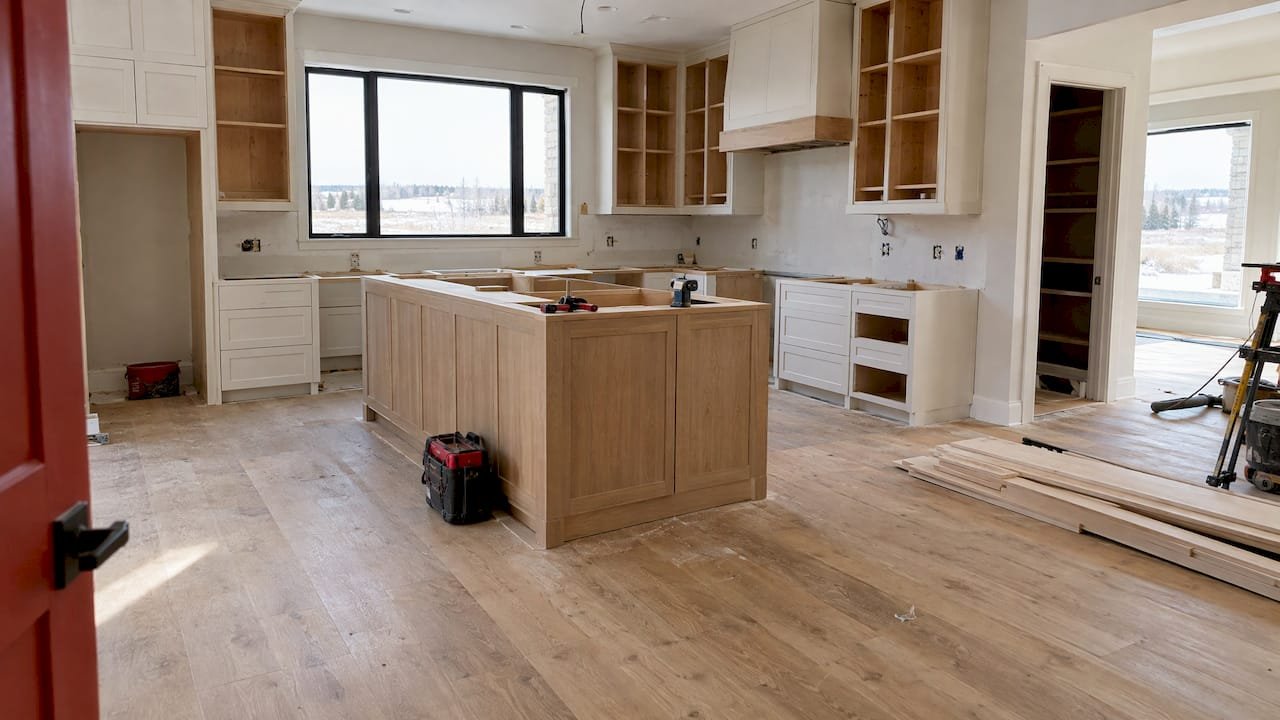
If you are deciding which upgrades are worth the money, this overview of home repairs that add value helps you prioritize. Your appraiser’s opinion of the as-improved value is what counts for the lender.
Two practical points for Alberta homes:
- Permit costs, unexpected repairs and upgrades that run over the original estimate may have to be paid separately, according to REMAX Canada, which recommends keeping extra funds available.
- A quote should describe the scope in enough detail that the appraiser and lender can tie each line to a value-adding improvement.
How the renovation money reaches you
This is the part buyers most often misunderstand. The improvement amount is held back at closing, not deposited in your account. You usually pay your contractor first, then the lender releases funds once the work is confirmed.
CMHC’s fact sheet sets the rule by size of project:
- Single advance: improvement costs are 10% or less of the as-improved value. One payment follows completion.
- Progress advances: costs are above 10%. Funds are released in stages, and CMHC’s Full Service option covers validation of up to 4 consecutive advances at no cost, while Basic Service relies on lender validation.
REMAX Canada points out that the 10% line is often misread as a borrowing limit. It only decides how and when funds are released. Sagen adds that it pays for up to 4 progress-advance inspections, and the borrower covers extra ones. It also states that for lender-managed advances, insurance coverage becomes effective once confirmation of completed work is on file.
Timelines and documents
Lenders set their own deadlines inside the insurer’s rules. One Alberta lender’s guidelines, summarized by the REMAX article, require quotes upfront, accept paid invoices with before and after photos for smaller jobs, require an inspection for mid-sized ones, and expect completion within 120 days. Other lenders and insurers use shorter windows, so confirm yours before you book a contractor. Contractors in Calgary often have lead times, and a missed completion date can delay your funds.
Insurance premium and costs
A PPI mortgage with less than 20% down is a high-ratio mortgage, and it is insured. CMHC explains that the premium is a percentage of the loan and rises as your down payment shrinks. Lenders typically pass the cost to you, and your lender gives the exact price when you apply. You can read more in our overview of first-time home buyer mortgages in Alberta.
Budget for these items on top of the down payment:
- Legal fees and title insurance.
- Appraisal and inspection fees.
- Permit fees.
- A contingency for overruns. Because the holdback follows your original estimates, extra costs are yours.
Step by step: buying with a PPI mortgage in Calgary
- Get a pre-approval that includes renovation. Pre-approval tells you the budget you can carry. Our pre-approval requirements checklist lists the documents. We take care of document collection, lender selection and rate comparisons for you.
- Shortlist homes with a clear scope of work. Look for sound structure and a renovation list you can price. A walkthrough with a contractor before you make an offer saves surprises.
- Collect written quotes. Get itemized quotes that cover materials, labour and permits.
- Write the offer with financing conditions. Build in enough time for the appraisal on both an as-is and as-improved basis. See why pre-approval and final approval can differ after a Calgary appraisal.
- Submit quotes and complete the application. Your broker matches the project to an insurer and lender whose rules fit it.
- Close and plan the work. The purchase closes and the improvement funds stay held back.
- Complete and document the work. Keep invoices, take before and after photos, and schedule any inspection.
- Receive the advance. Funds are released once the lender confirms the work.
Pro Tip: Ask your contractor to date the quote and to list permits separately. It makes the file easier to approve.
Common mistakes to avoid
- Planning on cash at closing. The holdback means you pay contractors first, so keep a short-term cash plan.
- Assuming the appraisal will match your vision. The as-improved value is an estimate, and a low number cuts your financing.
- Putting appliances in the budget. Moveable items are excluded.
- Ignoring the completion window. Check the lender’s deadline before you sign with a contractor.
- Skipping the contingency. Overruns are your responsibility.
Other options if the home needs more than renovation
If you are building rather than buying a finished house, a construction mortgage works differently, with staged draws. Our guide to Alberta construction mortgages covers it. If your income is variable, see our self-employed mortgage guide for Calgary. Newcomers can see our New to Canada mortgage page.
Our perspective
We see the purchase plus improvements mortgage as one of the most practical tools for a first-time buyer in Calgary, Airdrie or Cochrane. It lets you shop for the location and the structure you want, rather than only for the finished house you can afford today.
The product rewards preparation. The quote, the appraisal, the insurer’s rules and the lender’s timeline all have to agree before you remove conditions. That is why we work with banks, credit unions, monoline lenders, alternative lenders and private lenders: the right fit depends on your project, your income and your timeline.
Our approach is to explain every number before you commit: the minimum down payment, the holdback, the advance schedule and the overrun budget. We want you to start the renovation with confidence.
Guriqbal Chahal, MBA, PMP
Plan your purchase and renovation with DreamHouse Mortgage
DreamHouse Mortgage is a Calgary brokerage, founded in 2013, serving Calgary, Airdrie, Cochrane, Chestermere, Okotoks, High River, Rocky View County, Edmonton, Red Deer and surrounding communities. Our first-time buyer mortgage, pre-approval and renovation financing services are built around clear advice and access to multiple lenders. You can also read our Calgary first-time homebuyer guide.

Call Guriqbal Chahal, MBA, PMP, Mortgage Broker, at 403-966-6072, and see our Google Business Profile.
FAQ
Can I add renovation costs to my mortgage in Canada?
Yes, when you buy. A purchase plus improvements mortgage adds the quoted cost of eligible renovations to the purchase price in one mortgage. The amount depends on the lower of the purchase price plus improvements or the as-improved appraised value. Funds are held back until the work is confirmed.
What is the minimum down payment for a PPI mortgage?
For a 1 to 2 unit owner-occupied home with CMHC Improvement, it is 5% of the first $500,000 of lending value plus 10% of the remainder. For 3 to 4 units it is 10%. Your broker confirms the current insurer rules at application.
Do I receive the renovation money at closing?
No. The improvement funds are held back and released after the work is completed and verified. For projects at 10% or less of the as-improved value, this is usually one payment. Larger projects use staged progress advances.
What credit score do I need?
CMHC’s Improvement fact sheet sets a minimum score of 600 for at least one borrower or guarantor. Lenders may apply their own requirements, so a broker can match you with a lender that suits your profile.
Sources
- CMHC Improvement
- CMHC Improvement fact sheet (2025)
- Sagen Purchase Plus Improvements program
- CMHC Mortgage Loan Insurance Cost
- REMAX Canada: What Is a Purchase Plus Improvements Mortgage?